
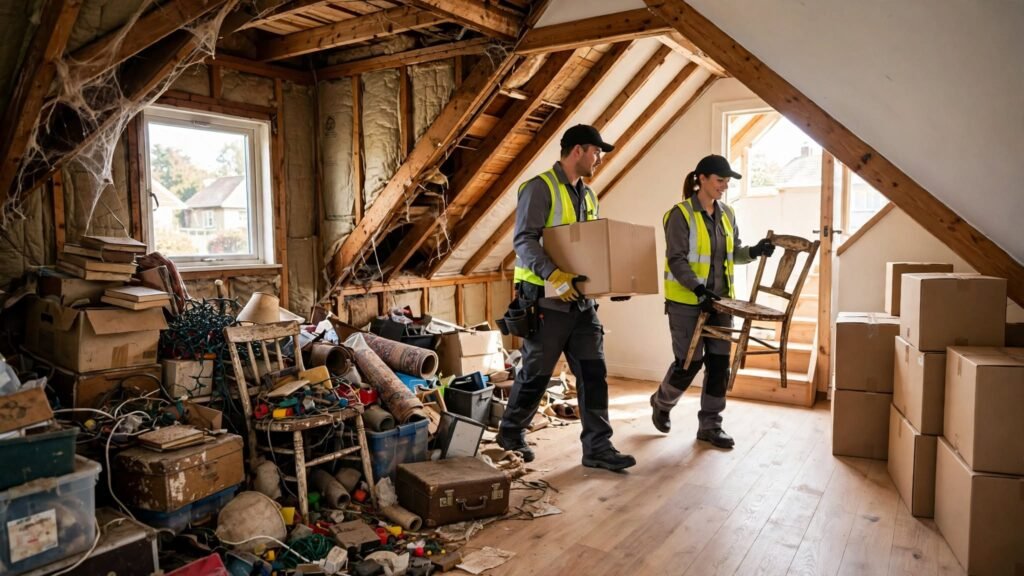
Attics can quietly become the place where everything gets put away for another day. Holiday decorations, boxes of clothes, old toys, spare furniture and forgotten household items can accumulate until there is barely room to move. If you are considering an attic cleanout in Marlborough, MA, a practical plan can help you clear the space without rushing decisions or risking an injury.
Why Attics Become Overcrowded
Most attics fill gradually. A few seasonal decorations go up after the holidays, children’s belongings are stored after they outgrow them, and boxes from a move are left unopened. Over time, it becomes difficult to remember what is in each container, and useful storage space turns into a maze of items.
Clearing an attic can make it easier to access the things you genuinely need, identify items that can be reused and spot issues that may otherwise stay hidden. It can also be useful before moving, preparing a property for sale or organising a home after a major life change.
Make a Simple Keep, Donate and Remove Plan
Before moving anything, decide what should happen to each category. Keep important documents, photographs, family heirlooms and items you use seasonally. Consider donating clean, usable goods if an organisation accepts them. Put broken, damaged or unwanted items into a removal group, but keep anything you are unsure about separate until you have checked it.
Label boxes clearly and check containers before they leave the attic. Tell the removal crew about keepsakes or personal items that must stay. A careful sorting process helps prevent accidental disposal and can make the final cleanout less stressful.
What Can Be Removed From an Attic?
Common attic items include holiday decorations, artificial trees, old suitcases, boxes of clothing, bedding, curtains, toys, strollers, lamps, mirrors, rugs, small furniture and outdated electronics. Some attics also contain leftover lumber, flooring or other renovation materials. Let the removal company know what is present, especially if the load includes unusually heavy or awkward objects.
Some materials require a different approach. Do not put chemicals, fuels, solvents or other hazardous products into a general junk pile. If you see old insulation or material that could contain asbestos, do not disturb it. Stop and seek guidance from a qualified professional before proceeding.
Safety Comes First When Clearing an Attic
Attics can have steep pull-down stairs, low ceilings, exposed joists, poor lighting and limited room to turn around. Boxes may be heavier than they look, and loose boards or insulation can create additional hazards. Avoid carrying large objects down a ladder or staircase if you cannot maintain secure footing and a clear view.
Improve lighting before sorting, keep the access route clear and work in short sessions rather than rushing. Do not stand on ceiling joists or areas that are not designed to support your weight. If the attic is hot, dusty or difficult to access, consider getting help with the lifting and carrying instead of taking unnecessary risks.
Clothing, Bedding and Other Textiles Need Special Attention
Attics often hold bags of old clothes, shoes, curtains, towels, blankets and bedding. In Massachusetts, textiles are restricted from ordinary trash disposal, so they should not simply be placed in a regular rubbish load. Depending on condition, they may be suitable for donation, textile collection or another approved recovery route.
Keep reusable textiles dry and separate from damp, mouldy or contaminated items. Ask your removal provider how it handles clothing and linens, and check local requirements if you plan to transport them yourself. Sorting these materials properly can reduce waste and make the rest of the cleanout easier.
How to Prepare for an Attic Cleanout Appointment
Take a few photos of the attic from the access point and from different corners. Make a short list of the main item types, note any large furniture and explain whether the crew will need to carry items down stairs, through narrow hallways or past other stored belongings. This gives the provider a clearer picture of the job before arrival.
You do not need to bring everything downstairs first. In fact, moving bulky items yourself may create more risk or damage. Instead, mark what should remain, clear small breakables from the access route and make sure the crew can reach the attic entrance. Ask whether the estimate includes labour, hauling and cleanup, and confirm how additional items will be priced.
Planning an Attic Cleanout in Marlborough
Marlborough homes vary in age and layout, so access can differ from one property to another. An attic may be reached through a pull-down ladder, a stairwell or a small hatch, and the truck may not be able to park directly beside the entrance.
Describe these details when asking for an estimate and mention any parking or access restrictions.
Nandy’s service-area information lists Marlborough among the Massachusetts communities it covers through its broader service network. For junk removal specifically, contact the team to confirm availability for your address before booking. You can review the company’s attic cleanout service page for its attic cleanout approach, and its service areas page for broader service-area information.
What Happens to Items After Removal?
Items that are still usable may be suitable for donation or reuse, depending on condition and acceptance rules. Certain materials, including electronics and textiles, may have dedicated recycling options. Other items need to be handled according to local disposal requirements. Ask the company what options are available for the items in your load rather than assuming everything follows the same route.
Nandy’s states that it prioritises donation and recycling where possible. If your attic cleanout is part of a larger project, its basement cleanout and estate cleanout pages explain other types of property clearing. You can also review the main junk removal services information to understand the company’s general removal services.
Keep the Attic Organised After the Cleanout
Once the attic is clear, avoid immediately filling every open area again. Store only items you expect to use, group similar belongings together and label sturdy containers on more than one side. Keep a simple inventory on your phone or inside the access door so you can find seasonal items without opening every box.
Store heavy objects where they can be accessed safely, and do not block the entry route or any ventilation points. If you notice signs of moisture, pests or damaged insulation during the cleanout, arrange the appropriate inspection or repair. A clear attic is easier to maintain when every stored item has a purpose and a designated place.
Choose a Clear, Straightforward Removal Process
Before booking, ask what materials the company can accept, whether the quote includes carrying items from the attic and how the price may change if the load is larger than expected. Share photographs and be transparent about difficult access, bulky objects or materials that may need specialist handling.
Ready to get started? Contact Nandy’s to confirm service availability in Marlborough and request an estimate based on your attic’s contents and access conditions. Visit the Nandy’s Junk Removal website or read more about its attic cleanout service before arranging a pickup.
FAQs
1. How do I arrange an attic cleanout in Marlborough, MA?
Contact Nandy’s to confirm service availability for your address. Photos and a short list of the items can help the team discuss the job and provide an estimate.
2. Do I need to carry everything downstairs before the crew arrives?
No. Explain where the items are and how the attic is accessed. Confirm the service scope when requesting a quote.
3. What items can be removed from an attic?
Common items include boxes, decorations, clothing, toys, rugs, small furniture and some electronics. Confirm unusual or restricted materials before booking.
4. Can old clothes and bedding go in the regular rubbish?
Massachusetts restricts textiles from ordinary trash disposal. Ask about donation, textile collection or other appropriate recovery options.
5. What should I do if I find old insulation that may contain asbestos?
Do not disturb it. Stop work and seek assessment or guidance from a qualified professional before proceeding.
6. How should I prepare for an attic cleanout?
Take photos, separate items to keep, identify fragile belongings and tell the crew about stairs, hatches, low ceilings and parking limits.
7. Can I donate items from my attic?
Clean, usable items may be accepted by charities or reuse organisations, but requirements vary. Check acceptance rules before arranging a donation.
8. What affects the cost of an attic cleanout?
The amount and type of material, access difficulty, carrying distance, labour and special handling can affect the quote. Ask what is included before work begins.
9. Will the crew remove heavy furniture from the attic?
Ask about large or heavy pieces when requesting the estimate, and explain the access route so the team can confirm what it can safely handle.
10. How can I stop the attic from becoming cluttered again?
Keep only useful items, label storage containers, maintain a simple inventory and review seasonal belongings before adding more boxes.